Table of Contents
- Understanding Soft Water in Western North Carolina
- How Soft Water Interacts with Tooth Enamel
- The Connection Between Soft Water and Cavities
- Can Soft Water Affect Your Gums and Dental Appliances?
- Tips for Protecting Your Oral Health in Western North Carolina
- Let Arden Family Dental Help You Protect Your Smile
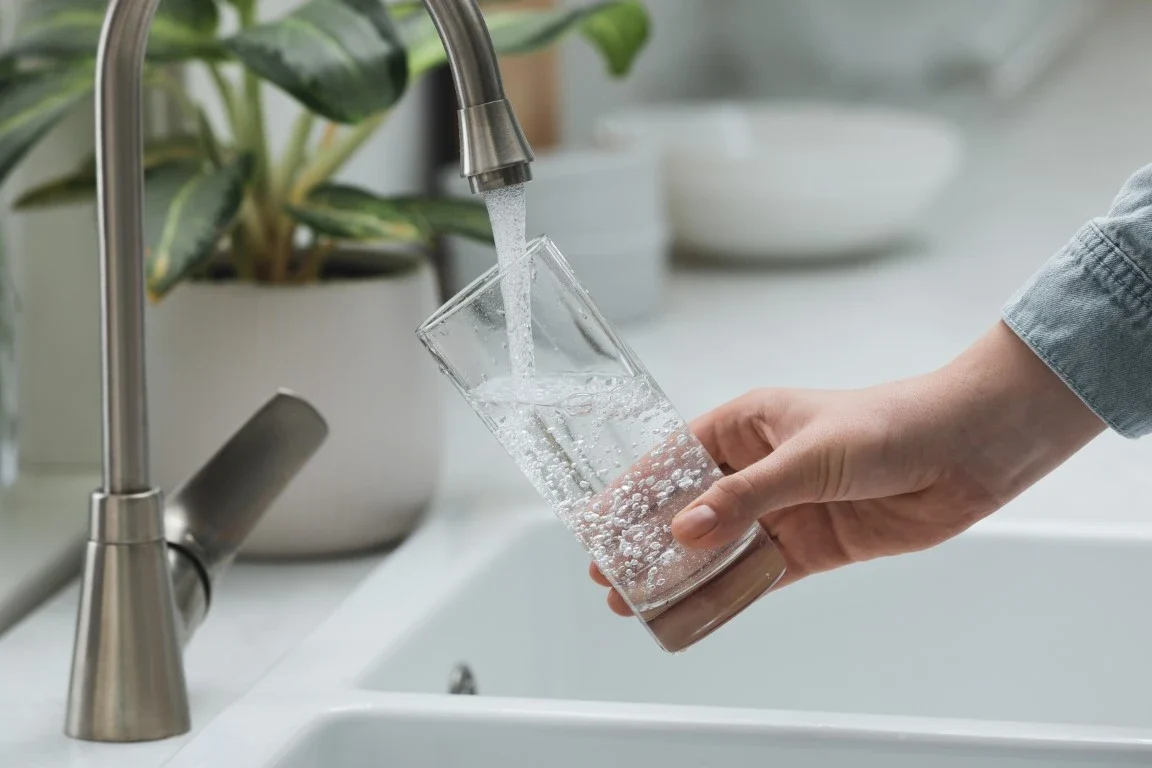
Most people think about water quality in terms of drinking, cooking, or protecting household plumbing, but it can also influence your dental health in surprising ways. In Western North Carolina, many homes have naturally soft water due to the region’s unique geology and low mineral content.
While this can help prevent mineral buildup in pipes and appliances, it may also affect the strength of your teeth and gums over time. The minerals found in harder water play an important role in supporting your oral health. Without regular exposure to these minerals, some people may experience increased tooth sensitivity, cavity development, or gum concerns.
Fortunately, understanding how soft water impacts oral health can help you make informed decisions about your daily dental routine. With the right preventive care and professional guidance, you can continue protecting your smile while enjoying the benefits of living in Western North Carolina.
Understanding Soft Water in Western North Carolina
Water hardness is used to refer to how much dissolved calcium and magnesium is present in your water supply. As water flows through mineral rich rocks and soil, it picks up these minerals, resulting in increased hardness. It is measured on a scale of 0 to 300+ parts per million (ppm), with water from 121 to 300 being categorized as hard to very hard.
However, hard water isn’t something Western North Carolina homeowners need to worry about. Instead, many homeowners in Western North Carolina have soft water. Unlike in some other places across the United States, the region’s water flows through rocks like bedrock and sandstone that have very little mineral deposit.
Hard water is known for its ability to build up on pipes, which can be a major headache for many homeowners, but isn’t a problem for homeowners in North Carolina. However, while there are many benefits to having soft water on your property, the minerals in hard water also offer several oral benefits that you may be missing out on.

How Soft Water Interacts with Tooth Enamel
It’s great that homeowners in Western North Carolina don’t ever have to worry about calcium buildup on their faucets, shower heads, and inside appliances. However, there are some personal benefits that come with exposure to hard water. One of the most significant benefits is exposure to magnesium and calcium, and the oral health benefits that come with it.
Calcium plays a major role in protecting and hardening tooth enamel, while magnesium helps your teeth resist decay throughout the day. When you have soft water, and use it for things like brushing your teeth and rinsing your mouth, you miss out on this exposure. Without it, you may find yourself prone to more damage, especially immediately after eating.
Weakened enamel can make you more vulnerable to tooth damage, and may also play a role in your tooth sensitivity. If you’ve found that your teeth are becoming increasingly fragile and sensitive, this may ultimately be the result of your soft water exposure. While there are many benefits to it, soft water can have its drawbacks.
The Connection Between Soft Water and Cavities
When it comes to the connection between soft water and cavity development, the problem isn’t directly tied to the water. Instead, this is often a result of the lack of exposure to essential minerals. Hard water naturally contains minerals like calcium and magnesium, which may provide minor support for tooth enamel over time.
In areas with soft water, those minerals are present in much lower amounts, meaning you may rely more heavily on oral hygiene and fluoride protection to maintain strong teeth. Another important factor is fluoride content. Some water systems add fluoride to help strengthen enamel and reduce the risk of decay, while others may not contain enough to offer the same benefits.
Without adequate fluoride exposure, teeth can become more vulnerable to cavities and sensitivity. Not only can this result in increased discomfort, but it can lead to costly dental work. If you have been dealing with frequent, persistent cavity development, your soft water may be playing a strong hand in this problem.
Can Soft Water Affect Your Gums and Dental Appliances?
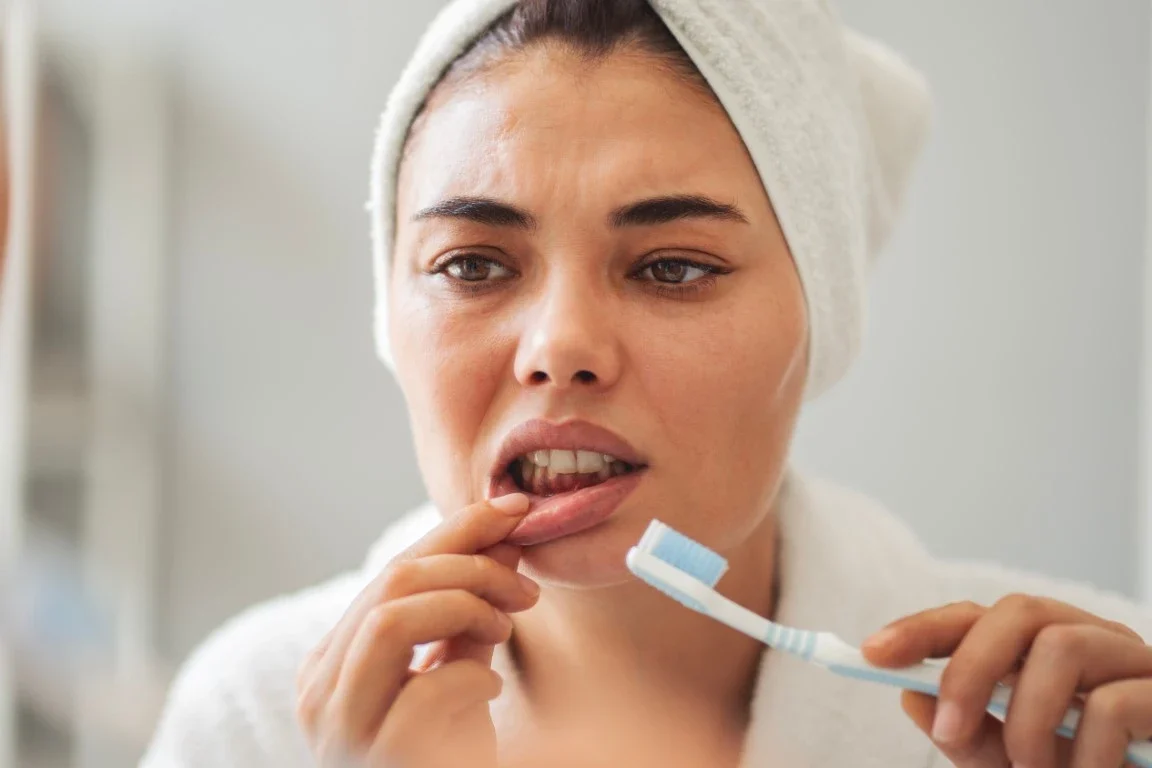
If you have dental appliances like bridges and implants, you may not be overly concerned about the lack of minerals in your water. You may not think it matters for the long-term well-being of your appliances. However, a lack of minerals in your water, like magnesium and calcium, can take a major toll on your dental appliances, gum tissue, tongue, and more.
Much like your teeth, your gums need minerals like magnesium for long-term support. It plays a role in reducing inflammation and supporting immune support, which is essential for preventing and managing gum disease. Without enough magnesium, you may find yourself developing periodontal disease more frequently.
Magnesium and calcium are also essential for protecting dental appliances like bridges and implants. They help protect anchor teeth, ensuring the teeth are strong enough to support an appliance like a bridge. Whether it’s your gums or dental appliances, a lack of essential minerals can be incredibly damaging on your long-term oral health.
Tips for Protecting Your Oral Health in Western North Carolina
Protecting your oral health in Western North Carolina starts with maintaining consistent dental habits and understanding how your local water quality may affect your teeth. While soft water is not harmful on its own, lower mineral levels can make it even more important to focus on preventive care.
A few simple adjustments to your routine can help keep your teeth and gums healthy for years to come. To support better oral health, consider the following tips:
- Brush twice daily using fluoride toothpaste
- Schedule professional dental cleanings every six months
- Drink plenty of water to help rinse away bacteria
- Limit sugary snacks and acidic beverages
- Ask your dentist about fluoride treatments if needed
- Replace your toothbrush every three to four months
In addition to these habits, paying attention to tooth sensitivity or gum irritation can help you address small issues before they become larger dental concerns. Consistent care is the key to protecting your smile.

Let Arden Family Dental Help You Protect Your Smile
If you’re struggling with persistent cavities, increased tooth sensitivity, or believe you’re developing gum disease, you need to turn to a reliable dental team for support. When you’re ready to work with the best dental team in Arden, NC, it’s time to turn to our team at Arden Family Dental. Our team has proudly provided reliable dental care to patients across the area for years. Whether you’re struggling to adapt your oral hygiene routine to your soft water or need help finding the right dental prosthetics, our team is here to do it all.
When you are ready to schedule an appointment with our team, contact us by filling out an online contact form or call us at 828-900-9488.