
Losing a tooth can be incredibly distressing, but there are so many reliable restorative options on the market today. With these restorative options, you can ensure your smile looks and functions exactly as it did before tooth loss. However, it can be difficult to choose between the many popular options, including dental implants and bridges.
While both bridges and implants come with many benefits, it is important to choose a restorative option that fits your current and future oral health and needs. But, if you’ve never gotten any restorative work done in the past, it can be incredibly difficult to determine which is the right fit for you and your oral health.
Thankfully, with a bit of additional information, you can trust that you’re making the best decision for your long-term oral health and comfort.
What are Dental Implants?
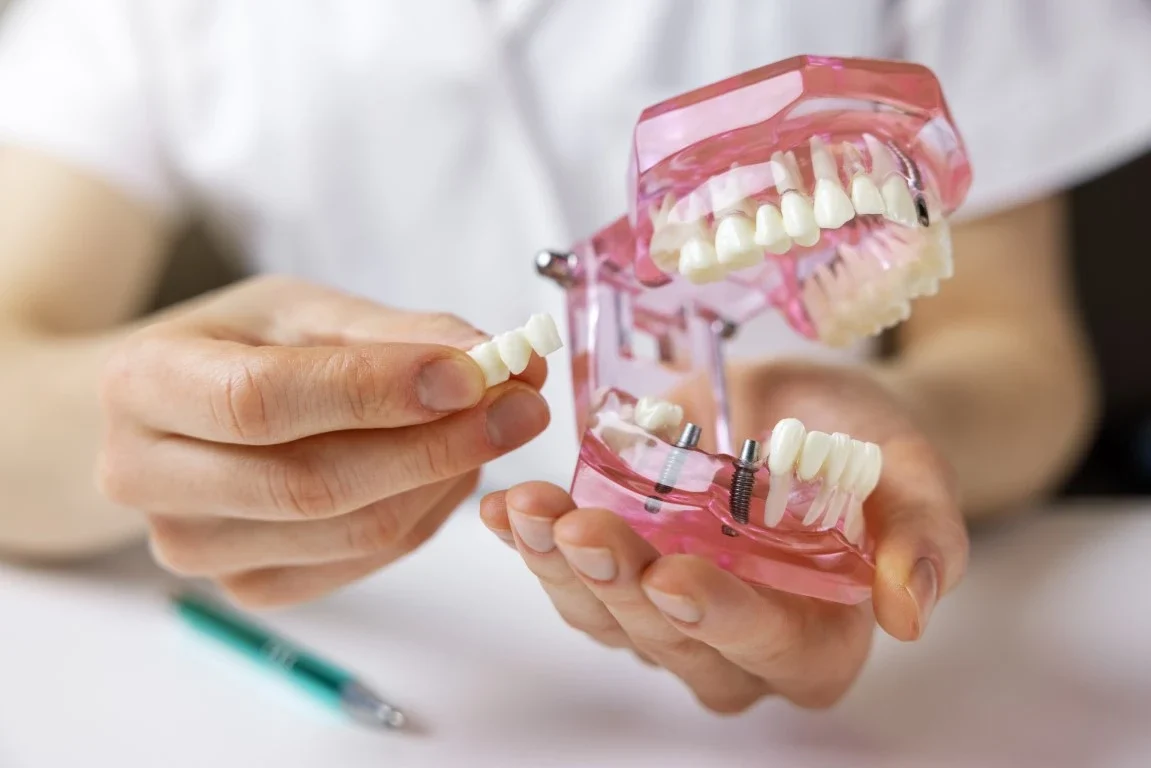
Dental implants are restorative options that consist of three different parts. They are made up of an implant, abutment, and crown. The implant is inserted directly into the jawbone during a surgical procedure. Over the next few months, as the implant heals, it fuses with the bone in a process referred to as osseointegration.
At the top of the implant sits the abutment, a piece that screws onto the implant post and holds the tooth in place. Finally, the crown is placed on top of the abutment. Once the crown is cemented onto the abutment, it fits comfortably in your mouth and doesn’t shift or move, unlike some other prosthetic options like dentures.
The Pros and Cons of a Dental Implant
Dental implants are an incredible restorative option for anyone who is missing one or more teeth. However, it is important to consider the pros and cons before making a decision.

The Pros
There are many significant benefits to investing in dental implants. However, there are some benefits that really stand out, including:
- Long-Term Stability: Once healed, a dental implant is incredibly stable, providing increased comfort while eating, drinking, speaking, and more.
- Bone Protection: Because of the post insertion in your jawbone, there is constant stimulation to the tissue, protecting you from long-term bone loss.
- Tooth Protection: Because it doesn’t rely on support from surrounding teeth, you don’t have to worry about your implant harming any other teeth in your mouth.
- Natural Appearance: Unlike some other dental prosthetic options, dental implants blend seamlessly with your natural teeth.
The Cons
Although there are many benefits to implants, there are a few drawbacks to consider before making your final decision, including:
- Timeline: With the post implantation, healing and osseointegration, and final installation, the implant process can take up to six months to complete.
- Cost: While your insurance may cover some of the procedure, one implant can cost up to $5,000, which may be more than you can afford upfront.
- Surgery: Dental implants aren’t just simply inserted into the jaw. The post must be surgically inserted, which can be a long and uncomfortable process.
- Health Restrictions: If you don’t have a healthy mouth, it can be difficult to support an implant, making you a poor candidate for the procedure.
What are Dental Bridges?
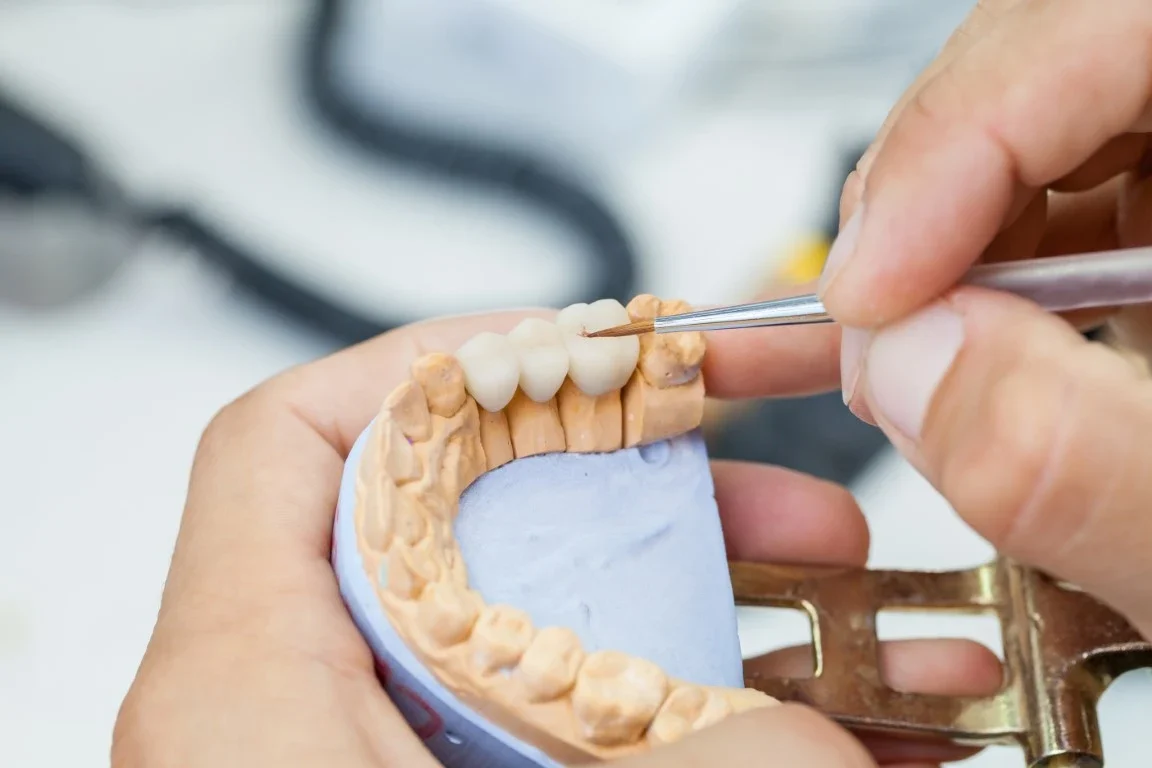
A dental bridge is a prosthetic option used to bridge gaps left by one or more missing teeth. The prosthetic is made of two main parts, the pontic and abutment teeth. The pontic is the artificial tooth that fill the empty space left by your missing teeth. The abutment teeth, in many cases, consist of your natural neighboring teeth.
However, some people may opt for dental implants as their abutment teeth. The pontics are secured to these abutment teeth. Dental bridges are some of the most well-known dental prosthetics, and were likely one of the first options you considered when you began researching a restorative option for your smile.
The Pros and Cons of Bridges
Before you schedule an appointment to get a dental bridge, it is important to understand the benefits and drawbacks of investing in this prosthetic.
The Pros
Dental bridges are incredibly common among restorative dental options for a variety of dental patients, including:
- Avoid Tooth Shifting: Once placed, your dental bridge will do a wonderful job of preventing neighboring teeth from shifting out of place.
- Near-Immediate Results: Unlike implants, which can take several months to place, a bridge is made in 2-3 weeks, providing almost immediate restoration.
- Non-Surgical Placement: If you are weary about surgical procedures and want to avoid this when possible, the non-surgical relief provided by bridges is best.
- Replace Multiple Teeth: In addition to the quick results they can provide, dental bridges are also great if you need to replace several neighboring teeth.
The Cons
While there are many benefits to investing in dental bridges, there are still a few drawbacks when compared to implants, including:
- Long-Term Durability: Unlike a dental implant, a bridge is only designed to last up to 15 years, which means you’ll likely need to replace it a few times across your lifetime.
- Impact on Surrounding Teeth: Your dentist may need to shave down neighboring teeth to support the bridge, which is irreversible and can put stress on the tooth.
- Risk of Decay: If you don’t pay close attention to the crowns, you may experience major plaque buildup that puts you at risk of decay beneath the prosthetic.
- Loss of Bone Density: A dental bridge isn’t capable of stimulating the underlying bone tissue, leading to loss of bone over the years.
Which is Best for Your Smile?
Ultimately, if you are on the fence about whether bridges or implants are best for your smile, it is essential that you consider your budget, oral health, and timeline. Each plays a major role, and it’s important to consider them before making any final decisions:
- Budget: Because insurance doesn’t always cover the full cost of these restorative options, your budget is an important factor to consider. If you are working on a limited budget and are covering the cost yourself, dental bridges may be the best option for your smile because they are less expensive than implants.
- Oral Health: Some dental prosthetics, like a bridge or implant, require optimal oral health before they can be installed. If you have limited jawbone to support the insertion of a metal post, implants may not be an option, whereas damaged neighboring teeth may not be able to support a bridge.
- Timeline: The insertion and healing of a metal post for a dental implant can take several months, which isn’t always a good option. If you are trying to restore the appearance and function of your smile but are working on a limited timeline or want to see results as soon as possible, a bridge may be the best option.
Find Your Perfect Restorative Option in Arden, NC
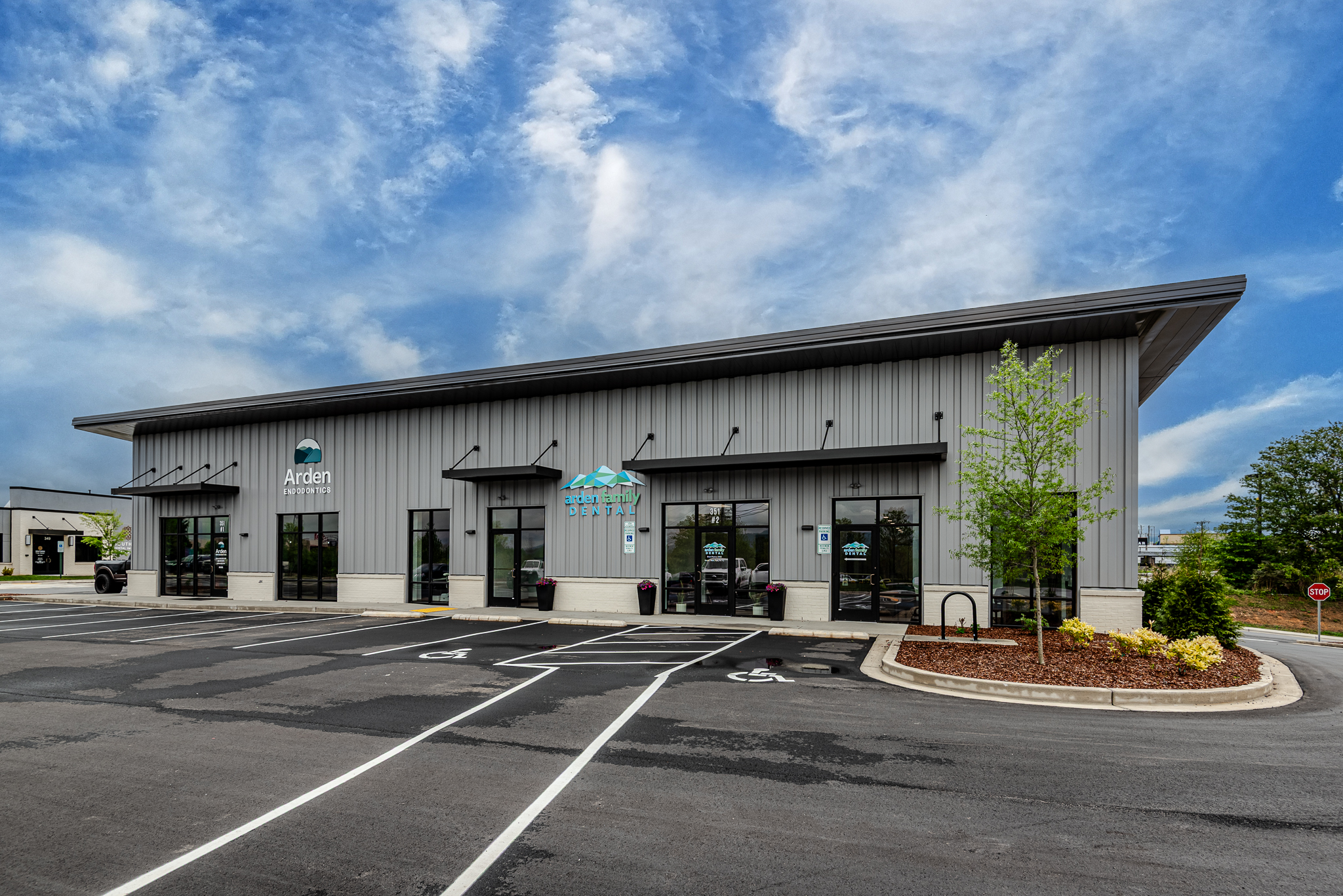
Whether you’re considering investing in a dental bridge or implant, our team at Arden Family Dental is here to support you through every step of the process. With years of experience helping patients across the Greater Arden area find their ideal dental restoration option, we’re confident that we can do the same for you. From the moment you arrive in our office until the insertion of your final prosthetic, we’re dedicated to helping you feel comfortable and confident.
If you would like to schedule an appointment with our team or have any questions, don’t hesitate to reach out to us today.