Table of Contents
- What is Gingivitis?
- Signs You’re Experiencing It
- Your Best Treatment Options
- What Happens If You Don’t Treat Gingivitis?
- Treating Tooth Loss from Periodontal Disease
- Improve Your Gum Health in Arden, NC

Keeping your gums looking and feeling their best can be difficult. Whether you regularly floss or are just getting back into the habit, this small everyday activity goes a long way in ensuring you have the best gum health possible. While skipping it might seem inconsequential, it can have dire consequences, including the risk of developing gingivitis.
This common gum condition can open the door to a variety of other oral health complications, which makes identifying it early essential. If you believe you may have gingivitis, keep reading to learn more about the signs you’ll experience in its early stages, how to treat it, and the risks of not seeking care from your dental team.
What is Gingivitis?
Periodontal disease, also known as gum disease, comes in stages. When your gums are healthy, they are pink, firm, and attached to your teeth. However, as you begin developing periodontal disease, your gums change significantly. Gingivitis, the first stage in the disease, is characterized by inflamed, swollen, and tender gums.
But how does it develop? There are a few different reasons why you may be experiencing this gum problem. One of the most common causes of this condition is improper dental care. If you aren’t brushing and flossing properly, plaque builds up on your teeth and along your gumline, leading to increased irritation,
Additionally, individuals who smoke are twice as likely to develop gum disease as non-smokers. Finally, some health conditions, like heart disease and diabetes, age, hormone changes, and genetics can impact whether you develop the condition. Thankfully, when caught early enough, you can reverse this condition and protect your teeth from further health problems.

Signs You’re Experiencing It
The easiest way to seek treatment for gingivitis is to understand what symptoms you experience when you have the condition. If you believe you might have this early form of gum disease, look for the following symptoms:
- Swollen, puffy, and tender gums
- Bleeding gums when you brush or floss
- Bad breath and unpleasant tastes in your mouth
- Gums that are beginning to pull away from your teeth
- Sensitivity to hot or cold foods and beverages
If you notice deep gum pockets, severe bleeding, darkening of the gum tissue, or that your teeth look longer than they previously did, this is a sign that you are dealing with more severe periodontal disease that requires immediate dental attention.
Your Best Treatment Options
When you’re experiencing these symptoms, your best treatment option is to turn to a trusted dental team for care. They will perform a thorough cleaning and remove any tough plaque and tartar that may be irritating your sensitive gum tissue. After your dental cleaning, it is essential that you maintain a good oral hygiene routine.
Remember to brush at least twice-daily, using a soft-bristle brush and fluoride toothpaste. You should also remember to floss, at least once a day, but more often if you notice food getting stuck between your teeth regularly. This may also be the appropriate time to incorporate an antiseptic mouthwash into your routine.
Finally, there are a few lifestyle habits you should adjust, including limiting your sugar intake, eating more fruits and vegetables, and eliminating your tobacco use. While this can be difficult, making small changes to your everyday habits can go a long way in helping you treat and prevent gingivitis.

What Happens If You Don’t Treat Gingivitis?
Because the symptoms of gingivitis may be minor, you may overlook them and avoid visiting your dental team. However, this can have incredibly devastating consequences. When left untreated, it becomes periodontitis. When your gum disease progresses to this point, it is no longer reversible and can only be managed.
Your gums will continue to detach from your teeth, leading to even deeper pockets and loosening teeth. However, the problems go beyond your gum tissue. When you have periodontal disease, infection can move from your gums and into your jawbone, deteriorating it. Finally, it may put you at risk of developing heart disease, diabetes, or strokes.
While it might not seem like a pressing health concern, the earliest signs of gingivitis need to be treated as soon as they emerge. Putting off care isn’t just risky for your health but can lead to the need for incredibly costly dental procedures, including extractions, bone grafts, and dental implant insertion.
Treating Tooth Loss from Periodontal Disease
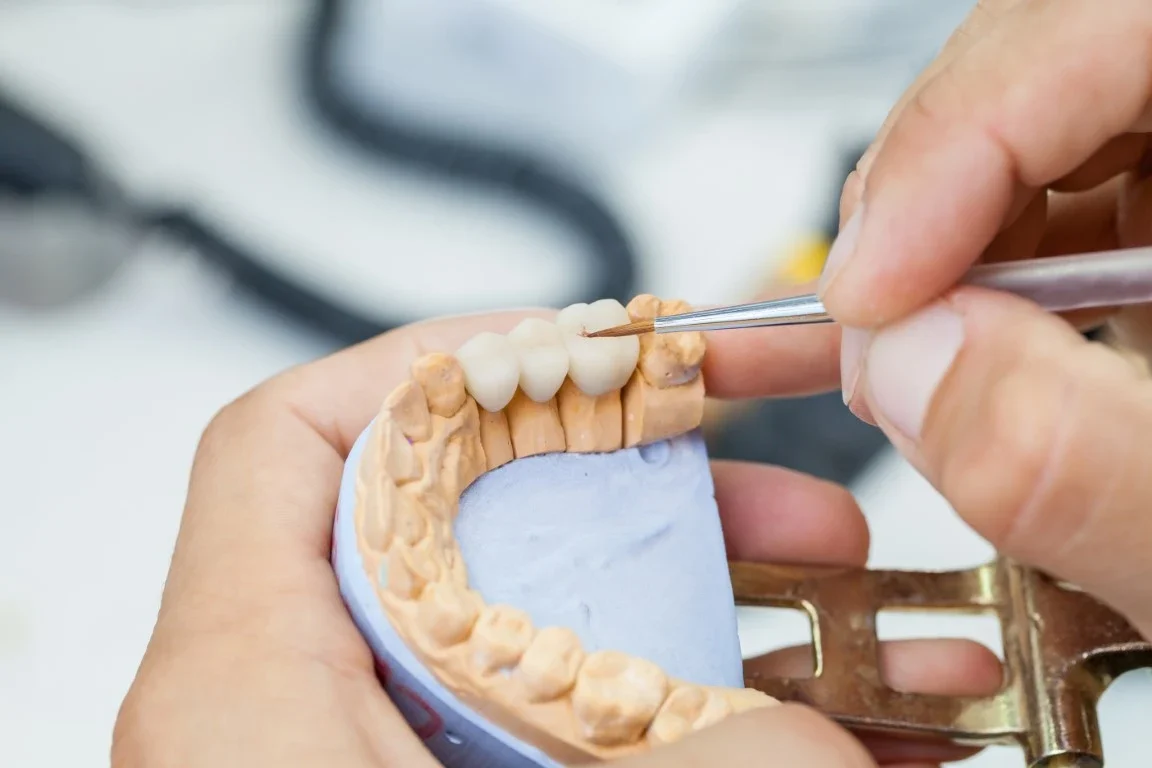
If your gingivitis has progressed to severe periodontal disease and you’ve lost teeth as a result of it, there are a few options you have to restore your smile. In most cases, patients will opt for partial dentures or dental bridges, as they may not have enough jawbone to support the insertion of dental implants.
However, you may also get a bone graft to create a more structurally sound base for an implant. While implants are more expensive than dentures and dental bridges, they are also far more secure and comfortable than any other dental prosthetic on the market. This prosthetic blends seamlessly with the surrounding teeth, helping you avoid feeling self-conscious about the appearance of your smile.

If you’re unsure which dental prosthetic is right for you following tooth loss, don’t hesitate to schedule an appointment with your dental team. They can assess your current oral health, help you create a dental care plan to prepare for prosthetics, and ensure you choose a prosthetic that you can maintain for years to come.
Improve Your Gum Health in Arden, NC
Achieving and maintaining good gum health can be a long journey, but it is a worthy endeavor. If you need help improving your gum health, trust that our team at Arden Family Dental is here to help. Whether you have gingivitis or more advanced periodontal disease, we’re committed to helping you find relief, achieve better gum health, and protect your teeth.
When you’re ready to schedule an appointment with our team of experts, don’t hesitate to contact us.