Table of Contents
- What is Osteoporosis?
- How This Diagnosis Impacts Your Oral Health
- Signs You’re Experiencing Oral Health Complications
- How to Limit Damage to Your Teeth and Gum Tissue
- Protect Your Smile with the Help of Arden Family Dental

As you get older, it isn’t uncommon to experience major changes to your overall health. Some people will lose their hearing while others may notice changes in their vision. One thing you might not think about is your bone health. However, as you get older, you are more susceptible to developing a progressive bone disease called osteoporosis.
This disease is responsible for reducing bone density across your body, from your arms and ribs to your hips, legs, pelvis, and more. While you may worry about its effect on your mobility, it is also important to consider its impact on your oral health. In this blog, we’ll explore how osteoporosis impacts your teeth, gums, and jawbone, and what you can do to prevent tooth loss and other oral health complications.
What is Osteoporosis?
Your bones are living tissue that regenerate themselves throughout your life. Old bone tissue is always being replaced with healthy, new tissue, with your entire skeleton replacing itself every decade. However, as you get older, generally after 40, it isn’t uncommon for your bone regeneration to begin to slow down.
One condition that becomes more common as you get older is osteoporosis. This is a progressive disease that impacts your bone density. The disease is characterized by its slow, “silent” destruction of your bone mass. Individuals with the condition often do not know it is happening until they experience unexplained fractures.
There are a few risk factors that can increase your chance of developing osteoporosis, including:
- Age and Gender: Post-menopausal women who have lower estrogen levels are especially susceptible to developing the condition. Additionally, men over 70 are at a higher risk of developing it.
- Diet: A lifelong deficiency in essential vitamins and minerals, specifically Vitamin D and calcium, is one of the leading causes of developing this condition.
- Activity Levels: Individuals who live more sedentary lifestyles and do not exercise regularly, frequently use tobacco products, and consume an excessive amount of alcohol may be at a greater risk of developing the disease.
- Medication Use: Anyone who has a long-term history of using anti-inflammatory steroids (glucocorticoids), some cancer treatments, and antiepileptic drugs may experience bone loss.
- Health Conditions and Genetics: Individuals who have rheumatoid arthritis, kidney disease, or gastrointestinal disease, or a family history of osteoporosis are more prone to developing the condition.
How This Diagnosis Impacts Your Oral Health
When you are initially diagnosed with osteoporosis, you are likely more concerned about its impact on your arms, legs, and spine. However, while you are paying close attention to the limbs, it may also be wreaking havoc on your jawbone, which poses a significant risk to your teeth and gum tissue.
Your jaw, teeth, and gum tissue have a symbiotic relationship, meaning one cannot thrive without the others. Your teeth stimulate your jawbone, while your jaw supports your teeth, and your gums keep each safe from bacteria. When you’re experiencing a problem with one, like the deterioration of your jawbone due to osteoporosis, it opens the door to more complex problems.
As your jawbone begins to deteriorate, the support for your teeth is compromised, leading to a risk of tooth loss. A lack of bone tissue may also make it easier for bacteria to find its way into your gum tissue. This increases your chances of developing more severe gum disease. You may also notice changes in the way your dentures fit.
As the jawbone shrinks, you may notice that your dentures don’t fit as comfortably or snuggly as they once did. Finally, individuals with osteoporosis may experience slower healing following oral surgeries. If you are experiencing any of these problems, especially with little or no warning, it is essential that you reach out to your dentist as soon as possible for support.
Signs You’re Experiencing Oral Health Complications
There are a few signs you may notice that may signify that you are experiencing oral health complications as a result of your recent osteoporosis diagnosis. Some of the most common symptoms people will experience include:
- Loose teeth that appear longer, shift, or wiggle in their socket.
- Changes in the fit of your dentures.
- Major gum recession and increased temperature sensitivity.
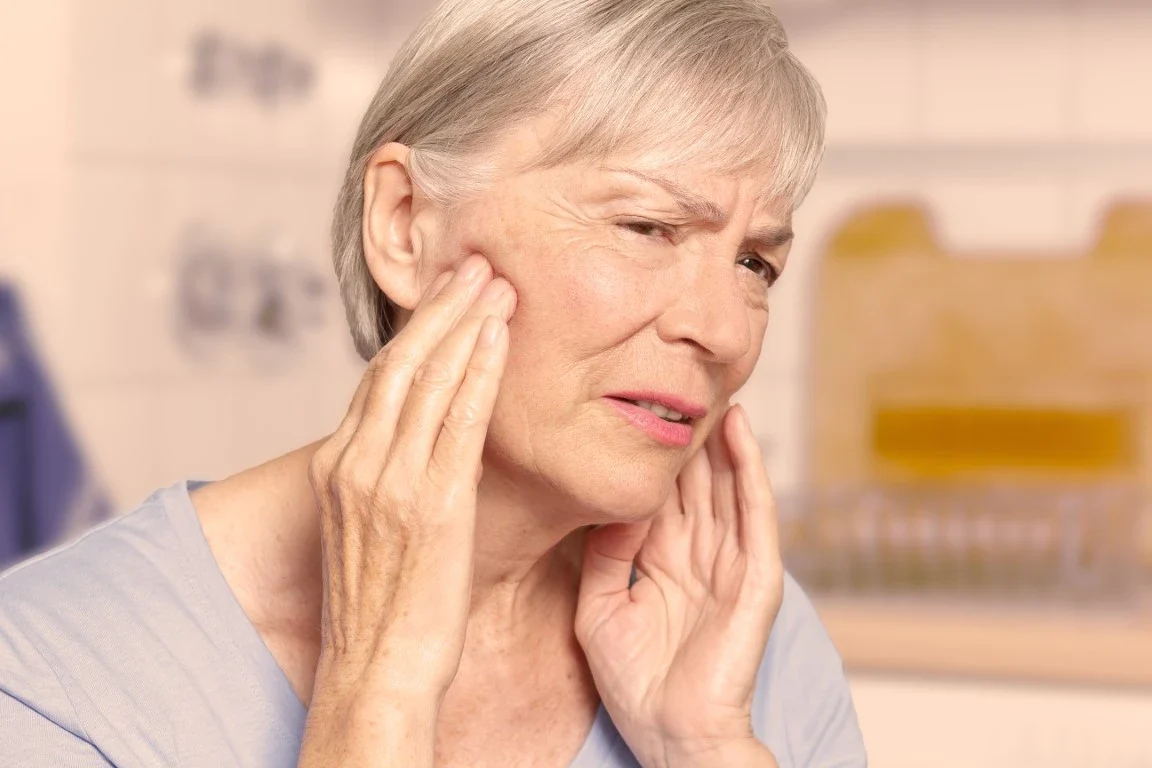
- Unexplained pain and tenderness in your jaw.
- Slower healing when experiencing gum injuries.

While it might be easy to brush off one of these symptoms, several of them can point to a much larger oral health problem. When this occurs, it is best to contact your trusted dental team for expert support to ensure you avoid tooth loss and the development of periodontal disease.
How to Limit Damage to Your Teeth and Gum Tissue
Your doctor will have you follow a few different treatment options to help slow your bone loss and increase bone growth. You may also need to make adjustments to your everyday diet to increase your calcium and vitamin D intake. However, if you want to support your oral health following an osteoporosis diagnosis, there are a few additional things you can do, including:
- Follow a Strict Oral Hygiene Routine: The best way to protect your oral tissue is by following a strict oral hygiene routine. Brush twice daily and floss at least once a day to prevent plaque buildup and gingivitis development, which may increase bone loss.
- Avoid Tobacco Products: If you smoke or use nicotine pouches or chewing tobacco, you should limit, or entirely eliminate, your use of these products, as they can restrict blood flow and slow healing, which increases your risk of developing gum disease.
- Use an Antimicrobial Mouth Rinse: Individuals who were recently diagnosed with osteoporosis may benefit from incorporating an antimicrobial oral rinse into their routine, which can help you control bacteria levels.
- Schedule Regular Dental Checkups: Finally, don’t forget to schedule regular dental checkups. You may need to schedule more regularly, up to three times a year, to prevent plaque buildup and gum disease development.
Protect Your Smile with the Help of Arden Family Dental
If you were recently diagnosed with osteoporosis, you don’t have to navigate the changes to your oral health on your own. Our team at Arden Family Dental is here to provide expert support. Whether you’re dealing with loose teeth or changes in your gum health, our team is here to help you protect yourself from tooth loss and major health changes.
When you’re ready to schedule an appointment with our team, don’t hesitate to contact us.